The 16th century was a time of upheaval, a period marked by one of history’s most notable turning points: the Reformation. This was particularly felt in Northern Germany, where the local Duke of Braunschweig-Lüneburg actively promoted the Lutheran faith starting in 1527, just a decade after Martin Luther publicly challenged the Church with his Ninety-five Theses. However, female convents, shaped by the monastic reforms of the late 15th century, were highly reluctant to embrace the Reformation. These women sought to preserve their established way of life, exercising their agency over religious matters, and they were determined to protect the hard-won independence that the earlier reforms had granted them.
But what did these monumental changes mean for the everyday lives of nuns in Northern German convents? Why did some nuns reject or accept the new faith and alterations to their religious communities? And how did they assert their agency in such turbulent times? These are the thought-provoking questions we aim to explore in our graphic novel, “Breaking Walls.”
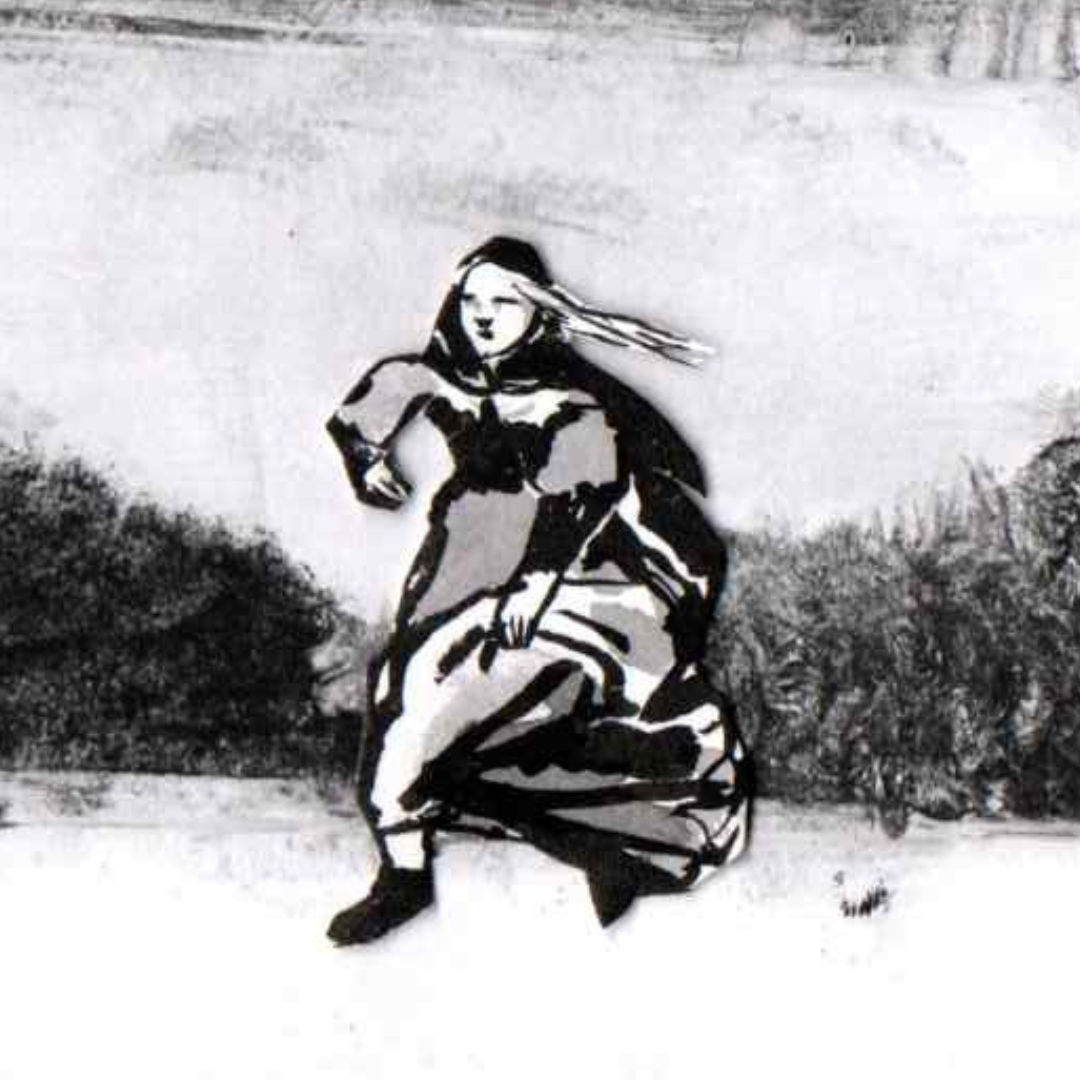
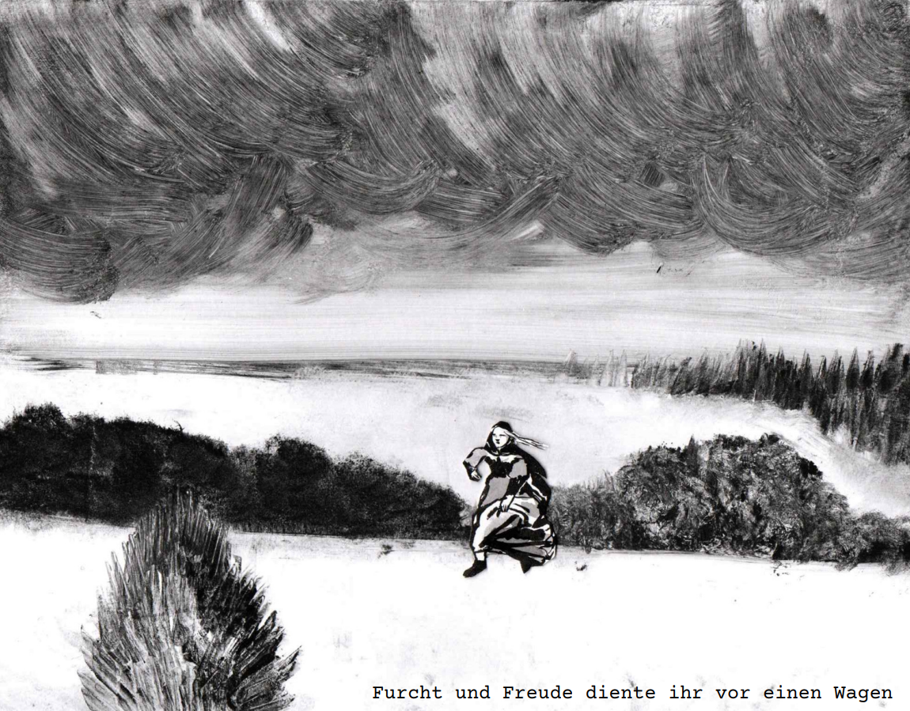
The graphic novel will vividly illustrate the complexities of the reformation processes in Northern Germany, presenting history in an engaging way that appeals to both academic and non-academic audiences. Reformation and monastic history can—and should—be enjoyable! Through the story of Margarethe Stove, we aim to highlight a part of this transformation while illuminating the agency and motivations of women during a time of upheaval.
Drawing inspiration from public history and medieval studies, as well as discussions initiated by scholars like Elizabeth Lehfeldt (University of Cleveland), we will carefully construct our narrative. The heroine of our story, Margarethe, is a historical figure whose life remains shrouded in mystery. Although she was not a prominent reform abbess like Margarete Puffen of the Medingen convent, whose gravestone recognizes her as a “Renewer” (reparatrix), Margarethe’s story opens a window into the lives of women of her time.
As we draw on the known historical facts about Margarethe, we will creatively fill in the gaps with insights garnered from recent research on the Lüneburg convents. While furthering our understanding, we strive to avoid simplistic narratives and characterizations, aiming instead for a nuanced portrayal that reflects the motivations of individual actors. We wish to represent the core political and confessional conflicts of the time—conscience against conscience.
Our dissertation projects have inspired this collaborative endeavor. Marlon, from the University of Hamburg, investigates the Reformation of the Lüneburg convents, tracing the negotiation processes leading these communities to Lutheranism by the 17th century. Marlene, currently at the University of Oxford, examines the poetics of prayer books from around 1500, focusing on literary strategies that allowed women to engage with complex theological ideas. Carolin, now at the University of Hamburg, has explored adaptations of prayer books from the neighboring convent of Medingen, highlighting how these modifications reflect the agency of women in actively influencing reform. Sigrid Koerner, whose dissertation project addresses movable sculptures of the crucified Christ in medieval England through the lens of puppetry, contributes not only as an art historian but also as the talented artist behind our illustrations.
Interestingly, our graphic novel project has also become a source of inspiration for our dissertation work, illuminating gaps in our research. As we’ve discovered, writing academically and visually representing a subject are two distinct forms of communication. For instance, at the project’s inception, we prompted Sigrid to draw initial sketches of Margarethe for our funding proposals, and in doing so, we unearthed many details we had not previously considered!
 Breaking Walls