Making History Accessible
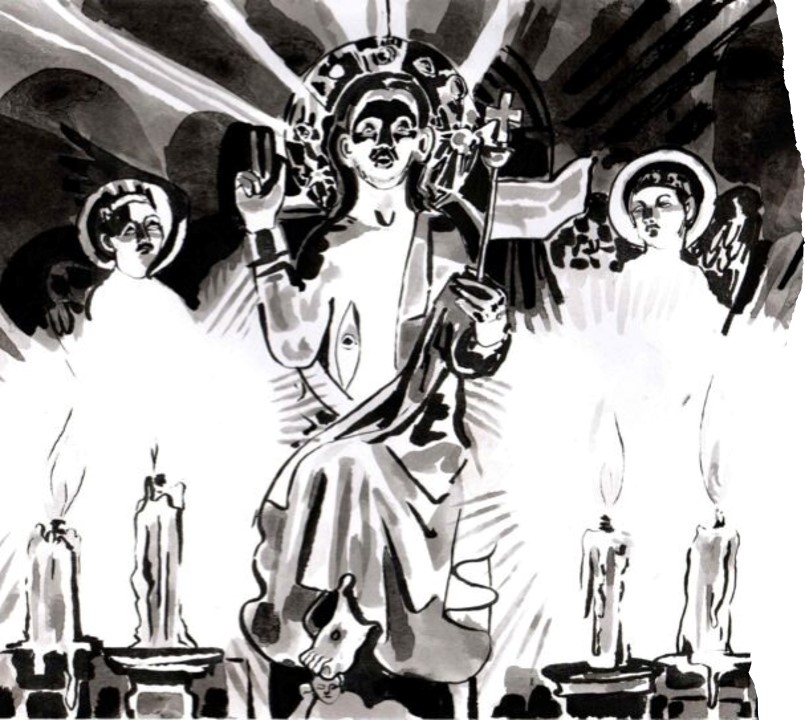
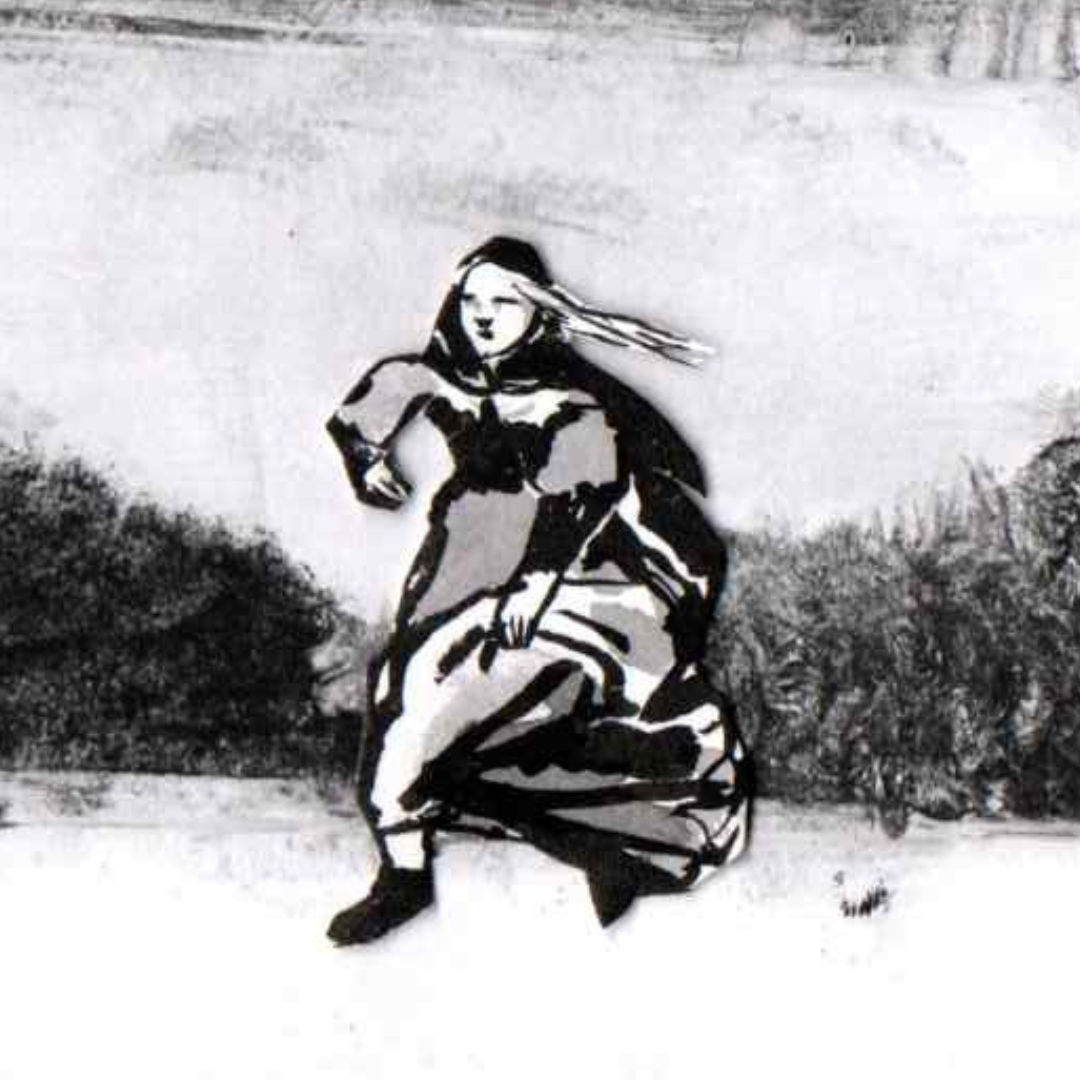
We wish to convey to our prospective readers that our graphic novel will not only inform them about the Lüneburg convents and the agency of women during the Reformation but will also provide an engaging experience. Readers will encounter the alterity of that time—understanding not only the Reformation era but also the lives and motivations of spiritual women and other figures.
They will ponder questions such as: Why did women choose, and still choose, a life dedicated to the service of God in a convent? Why was there such a fuss among reformers regarding the attire, singing, and vows of nuns?
Through our storytelling, we will uncover the unique experiences of these women, shedding light on their lives amidst turmoil and crisis. Using historical documents, we plan to make their narratives, and the broader context of change for both convents and individual nuns, accessible to a wider audience. Our graphic novel will serve not only as a captivating narrative but also as an educational resource, making it a valuable teaching tool for history classes focused on the Reformation and the use of primary sources.
Ultimately, our graphic novel aims to encourage readers to think critically about history and engage with the sources behind our narratives. We intend to answer questions about the historical evidence indirectly through our storyline and directly through scholarly commentary. This commentary will help illuminate the possibilities and limitations of visual representation, guiding readers to consider which depictions are backed by sources and which are founded on assumptions.
 Breaking Walls